Obesity can be defined as excess adipose tissue. It is a condition whereby a person has accumulated so much body fat that it might have a negative effect on their health.
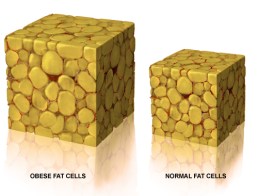 There are several different methods for determining excess adipose tissue; the most common way to determine excess adipose tissue is your Body Mass Index (BMI). If one’s BMI is between 25 and 29.9 that individual is considered overweight. A BMI of 30 or over translates into obesity. On the other hand, other measures of excess adipose tissue incudes waist circumference, waist-to-hip ratio and others are also used. Obesity affects 33.7% of our population and is in need of new strategies for medical treatment and prevention.
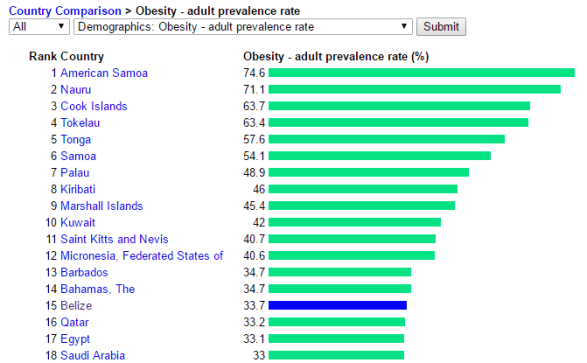
Adult prevalence rate of the World-Belize rank 15th in 2014
Obesity has many health risks such as
- All-causes of death (mortality)
- High blood pressure (Hypertension)
- High LDL cholesterol, low HDL cholesterol, or high levels of triglycerides (Dyslipidemia)
- Type 2 diabetes: excess adiposity or obesity may cause increase levels of circulating fatty acids and inflammation, causing insulin resistance and a risk of type 2 diabetes.
- Coronary heart disease
- Stroke
- Gallbladder disease
- Osteoarthritis (a breakdown of cartilage and bone within a joint)
- Sleep apnea and breathing problems
- Some cancers (endometrial, breast, colon, kidney, gallbladder, and liver)
- Low quality of life
- Mental illness such as clinical depression, anxiety, and other mental disorders
- Body pain and difficulty with physical functioning
Furthermore, individuals may need to use additional factors to support their individual risk including family history, level of physical activity, smoking and dietary habits.
 Obesity Awareness and Prevention in Belize